

Pairs well with this story
How should you read MANYO ingredient names and layer the products?
When choosing MANYO products, match the ingredient terms in the product name with the Japanese ingredient list. Then check the order of each texture. “Galact,” “niacin,” and “bifida” may be shortened terms in Korean product names and may not appear the same way on a Japanese ingredient list.
Do not decide the feel or finish from an ingredient name alone. Check whether the product is an essence, mask, or cream as well. Follow the directions printed on the product for amount and frequency.
Checking the ingredient terms in the product names
“Galact” is used in product names to refer to galactomyces ferment filtrate(moisturizing ingredient). On a Japanese ingredient list, the wording may follow the raw material used for fermentation and the applicable display name. For that reason, do not treat the product name and the ingredient list as identical wording.
Galactomyces ferment filtrate is generally displayed as a moisturizing ingredient. Fermentation-related ingredients are sometimes featured by name in Korean cosmetics.
“Niacin” may be used in a product name to refer to niacinamide. Niacinamide(nicotinamide/skin-conditioning ingredient)is one name used on Japanese ingredient lists.
Even when a product name includes “niacin,” check the exact ingredient name on the product or sales page. Comparing the product name with the displayed ingredient name helps prevent misreading.
“Bifida” is used in product names for fermentation-related ingredients that include bifida wording, such as bifidus ferment lysate(moisturizing ingredient). In Japanese, the ingredient may be shown by its formal name, such as bifidus ferment lysate.
Bifidus ferment lysate is generally displayed as a moisturizing ingredient. Fermentation-related ingredients may have a short name in a Korean product name and a formal name on a Japanese label.
Why ingredient names can look different in Korean and Japanese
Korean product names may use a short fermentation-material name or an English term to communicate a formula feature. Japanese full ingredient lists follow designated display names, so the same ingredient can look different in each place.
| Term seen in a Korean product name | Example to check in Japanese | Cosmetic role |
|---|---|---|
| Galact | Galactomyces ferment filtrate | Moisturizing |
| Niacin | Niacinamide and related names | Skin conditioning |
| Bifida | Bifidus ferment lysate and related names | Moisturizing |
The table is a reading aid. Confirm the exact ingredient name and cosmetic role in the full ingredient list for each product.
A product called a toner in Korea may correspond to a Japanese keshousui, or lotion. “Essence” and “ampoule” can refer to serum-like textures, while “cream” is read as a moisturizing cream when considering its place in a routine. Korean and Japanese terms can differ, so this article matches them by texture and routine placement.
Checking the texture and placement of the 3 products
The available MANYO product names and listed sizes are shown below. The sizes and counts are reproduced from the product names.
| Product | Size | Place in a routine |
|---|---|---|
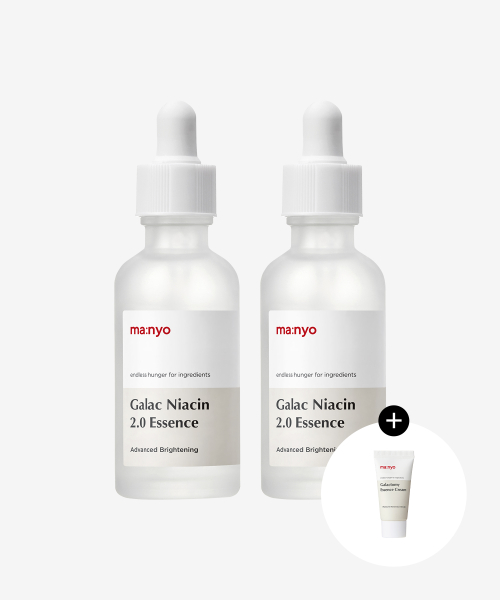
| Galact Niacin 2.0 Essence | 50ml×2 | After toner, before cream |
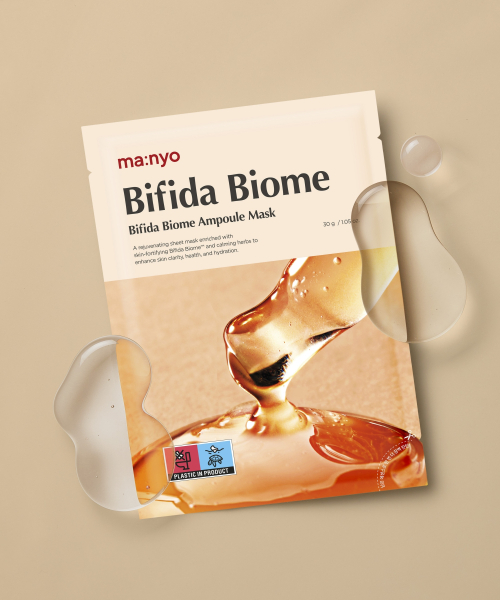
| [Renewal] Bifida Biome Ampoule Mask | 7 sheets | After cleansing, before moisturizer |
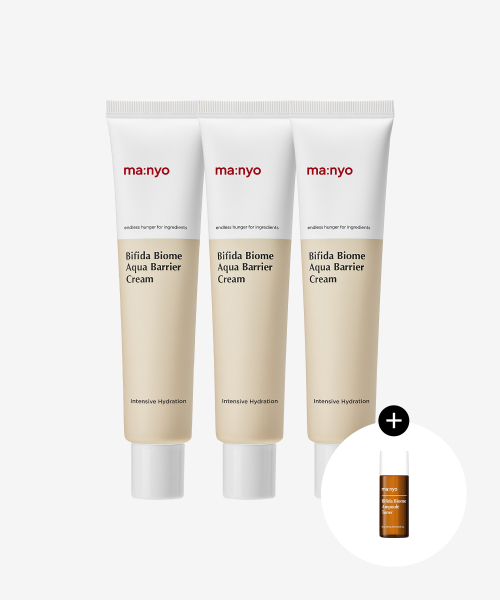
| [Triple Set] Bifida Biome Aqua Barrier Cream | 80ml×3 (Bifida Toner 8ml included) | Final skincare step |
Galact Niacin 2.0 Essence is placed at the serum step because the product name identifies it as an essence. Bifida Biome Ampoule Mask is a 7-sheet format, so it is placed as a sheet mask in the routine.
Bifida Biome Aqua Barrier Cream is a set of three 80ml units. Because an 8ml Bifida Toner is listed as included, the toner belongs at the toner or lotion step.
Checking the morning and evening order
In general, morning and evening skincare moves from more watery textures to textures with more oil content after cleansing. Follow the directions printed on the product for amount and frequency.
Use this order in the morning.
- After cleansing, use toner. Place the included Bifida Toner here when using it.
- Use Galact Niacin 2.0 Essence according to the product directions.
- If using cream, place Bifida Biome Aqua Barrier Cream after the essence.
- In the morning, apply sunscreen after skincare.
- If you wear makeup, apply it after sunscreen.
Use this order in the evening.
- Remove makeup and sunscreen, then cleanse.
- Use toner. Place the included toner here when using it.
- If using essence, place it after toner.
- If using the ampoule mask, place it before moisturizer according to the product directions.
- Finish with cream. On a mask night, follow the order printed on the product.
Check each product’s directions to decide whether to use the mask and essence on the same day and which comes first. If the product gives an order, follow that instruction.
What to check when choosing by ingredient name
When a product name includes a fermentation-related term, first check the formal wording on the Japanese ingredient list. Then decide which texture you are looking for: essence, mask, or cream.
Products with the same bifida wording can still have different textures and listed sizes. A 7-sheet ampoule mask and an 80ml×3 cream set communicate different information in their names, so check both count and size.
When checking a niacin term, do not confirm the formal ingredient name from the product name alone. Look for the name shown in the full ingredient list, such as niacinamide.
Precautions
For a first use, perform a patch test with a small amount on a less noticeable area, such as the inner arm. If the product provides a test method, follow those directions.
If redness, swelling, itching, irritation, or another unusual reaction appears, stop using the product. If the reaction continues or concerns you, consult a qualified professional.
Frequently asked questions
What should I look for on a Japanese ingredient list for “Galact”?
Galact in a product name is used to refer to galactomyces ferment filtrate. The exact formal wording must still be checked in the product’s full ingredient list. Do not confirm the displayed ingredient name from the product name alone.
Are “niacin” and “niacinamide” the same ingredient?
A product name may use niacin to refer to niacinamide. Niacinamide(nicotinamide/skin-conditioning ingredient)is one name used in Japanese labeling, but the final check should be made against the product’s full ingredient list.
In what order should I use the bifida products?
Place toner at the toner or lotion step, the ampoule mask before moisturizer according to the product directions, and cream at the end of skincare. Follow the directions printed on the product for amount and frequency.
What should I check when using these products in the morning?
Use toner, serum, and cream in that order, then apply sunscreen after skincare. Makeup goes after sunscreen. If a product provides its own order, follow that instruction.
Summary
- Galact, niacin, and bifida may have different names on products and Japanese labels.
- Confirm the formal name and cosmetic role in the full ingredient list.
- Use texture—toner, serum, mask, or cream—to decide placement.
- Follow the directions printed on the product for amount and frequency.