
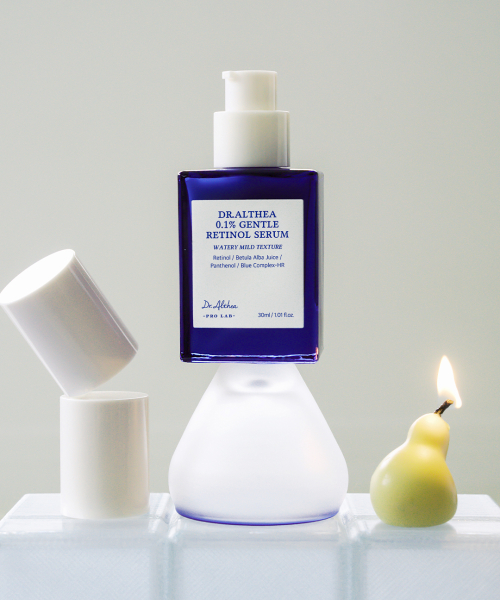
與這篇文章相配的商品
How should you read a Dr.Althea ingredient label?
Start by treating the product name, full ingredient list, and directions as separate pieces of information. A product name can highlight a feature, but it does not reveal the complete formula. Check the ingredient panel on the product or its outer packaging for the actual listed ingredients.
The name 0.1% Gentle Retinol Serum contains the ingredient name retinol and the figure 0.1%. On ingredient lists, retinol is a listed name classified as a skin-conditioning ingredient. The 0.1% figure does not, by itself, establish the right amount or frequency.
An ingredient is not automatically more important simply because it appears near the start of a list. Its function, amount, and relationship to the overall formula all matter. Read the ingredient name, its intended formulation role, and the directions together.
Formal names and Korean label terms
Korean product pages may show ingredient names in Hangul, English, or both. Japanese cosmetic labels can use a different written form for the same material. Keep translated marketing names separate from the legally presented ingredient list.
- 레티놀 means retinol, a skin-conditioning ingredient.
- 글리세린 means glycerin, a humectant ingredient.
- 판테놀 means panthenol, a humectant and skin-conditioning ingredient.
- 소듐하이알루로네이트 means sodium hyaluronate, a humectant ingredient.
- 병풀추출물 means Centella asiatica extract, a skin-conditioning ingredient.
CICA is commonly used in Korea as a shorthand name associated with centella. The full ingredient list may not contain the word CICA. Look for the formal listed name, such as Centella asiatica extract, instead.
These names are general examples for reading labels. They do not mean that every ingredient above is present in the three products introduced below. Confirm each formula on the current ingredient panel of the product you intend to buy.
Humectants and skin-conditioning ingredients also appear in serums and sheet masks. Reading the formal name and formulation purpose is more useful than relying on a nickname alone.
Morning and evening order
In general, a basic skincare routine is performed twice a day, in the morning and evening. This is not a product-specific direction.
For a retinol product, first read the directions on the container and outer box. Note the application area, amount per use, time of day, and frequency, and check any included leaflet as well.
Follow the product label for amount and frequency. For sunscreen, use the amount shown on its container.
During seasonal changes, avoid replacing the whole routine at once. Add new products one at a time.
You can use this basic order from today.
- After cleansing, begin with water-based products such as toner.
- In a general routine, apply serum before a richer cream.
- In the morning, apply sunscreen after moisturizing products.
- Wait until sunscreen has formed an even layer before applying makeup.
- In the evening, remove makeup and finish with moisturizing products.
Adding several new products together makes it difficult to identify which one suits the routine. Keep the familiar steps in place and add new items one at a time.
Dr.Althea examples for label reading
The following three products illustrate how to separate a product name from its full ingredient list.
| Product | Size |
|---|---|
| 0.1% Gentle Retinol Serum | — |
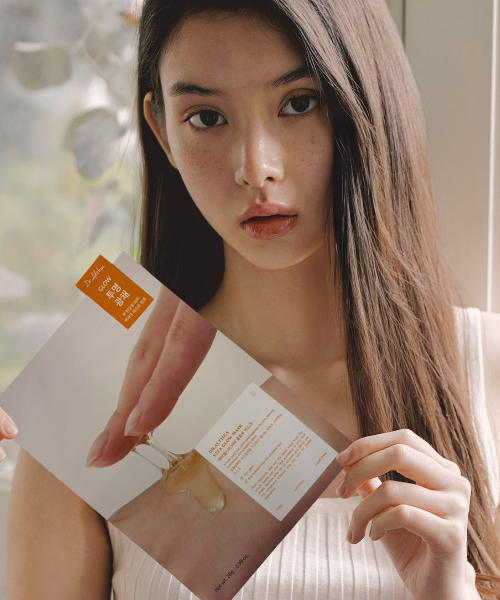
| Vita Glow Mask (4 sheets) | 4 sheets |
| Aqua Blue Hydration Mask (4 sheets) | 4 sheets |
The serum name contains the ingredient name and a figure. The names of the two masks do not establish which individual ingredients are present. Their full ingredient panels are needed to match formal names with formulation purposes.
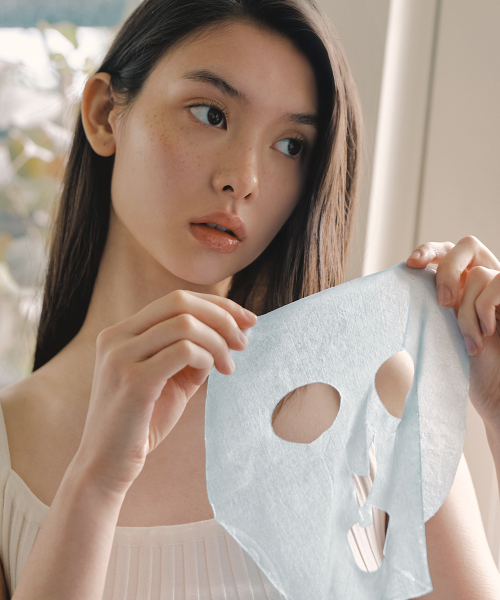
On a sheet-mask day, follow each product label for order and amount. For daytime use, sunscreen and makeup follow the skincare steps.
Precautions
Before first use, patch test a cosmetic on an inconspicuous area such as the inner arm. Apply a small amount and check that no abnormal reaction develops.
Stop using the product immediately if redness, swelling, itching, irritation, or another abnormality occurs. Consult a doctor if symptoms continue.
Introducing several unfamiliar products together can make the cause difficult to isolate. Maintain the familiar routine and add products one at a time. If a product enters the eyes or mouth, rinse it away promptly.
Frequently asked questions
Can I use a 0.1% product every day?
The figure 0.1% alone cannot establish whether daily use is appropriate. First look for the directions on the container, outer box, and any included leaflet. Note the frequency, time of day, amount per use, and application area.
Follow those directions for amount and frequency. If you cannot find them, ask the seller.
How can I identify a Korean ingredient name?
First find the Hangul ingredient name on the sales page. Then place the English INCI name and the Japanese listed name beside it. Grouping the same ingredient in three written forms makes matching easier.
Finally, add the formulation purpose and keep it separate from the product name.
Does sunscreen go before or after makeup?
In a general morning routine, the order is moisturizer, sunscreen, and then makeup. Let the sunscreen settle into an even layer before applying a cushion or another base product. Layer gently so that the sunscreen is not shifted from its applied position.
Can a sheet mask and serum be used on the same day?
First check each product's directions for order and combined use. If there is no mention, use each one on a different day first. After checking each finish, decide whether to use them on the same day.
Summary
- Read the product name, full ingredient list, and directions separately.
- Match Korean shorthand terms with formal ingredient names.
- Follow the product label for amount and frequency, and add new products one at a time.
- In the morning, use moisturizer, sunscreen, and makeup in that order.