
Pairs well with this story
Read CLIO ingredient lists by name and formulation purpose
CLIO ingredient lists are easier to understand when the ingredient name and its formulation purpose are read separately. If an ingredient is not part of the product name, its presence in that product cannot be confirmed from the name alone. Check the full list printed on the container or outer box. The examples here explain general label reading.
Ingredients are used to organize a cosmetic formula and its application feel. For example, water(Water/solvent), glycerin(Glycerin/moisturizing ingredient), and dimethicone(Dimethicone/film-forming ingredient)may be listed. These describe formulation roles, while the actual list must be checked for each product.
Ingredient names that differ in Korea and Japan
Korean full-ingredient lists may use Korean ingredient names or international cosmetic ingredient names. Cosmetics sold in Japan may use Japanese display names, so the same ingredient can look different across labels. Korean and Japanese labels can use different names for the same ingredient, so confirm the formal name when matching them.
PDRN(polydeoxyribonucleotide/moisturizing ingredient)is one example of an abbreviation seen in Korean product descriptions. None of the product names in this article includes PDRN, so its presence in a CLIO product is not confirmed. When an abbreviation appears, check its formal name and stated formulation purpose at first mention. Treat it as product information only when it appears on the product label.
Water may appear as 정제수 in Korean and 水 in Japanese. The Korean term 정제수 and Japanese term 水 are different label expressions that can refer to the same ingredient. Glycerin may appear as 글리세린, while dimethicone may appear as 다이메티콘. When names look different, use a reliable ingredient reference and prioritize the label printed on the product.
A practical order for reading the label
You do not need to memorize every ingredient before reading a full list. Use the following order to compare a product page with its packaging.
- Confirm the product name, format, and size. First identify whether it is a lip item, palette, concealer, or foundation.
- Read the beginning of the full list. In general, ingredients are arranged from higher to lower amounts. Confirm the rules for the relevant product category.
- Check colorants, fragrance, and similar entries. Read colorants as ingredients used to set color and fragrance as an ingredient used to add scent.
- Match Korean and Japanese names by their formal names. Do not make a judgment from an abbreviation alone.
- Follow the directions printed on the product for amount and frequency. Do not infer application amounts or frequency from an ingredient list.
CLIO product examples and placement
The CLIO product group includes items for the lips, eyes, and base makeup. When a size is not written in the product name, no size is added here. Set contents are described only within the scope shown in the product name.
| Product | Size | Placement |
|---|---|---|
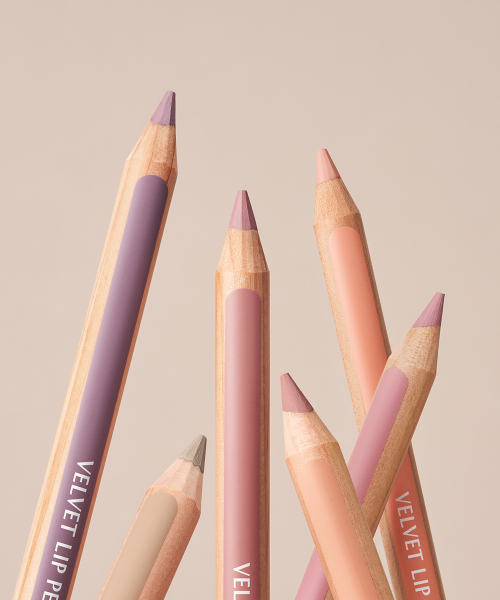
| Velvet Lip Pencil set(item plus sharpener) | Size not stated in the product name | Lips |
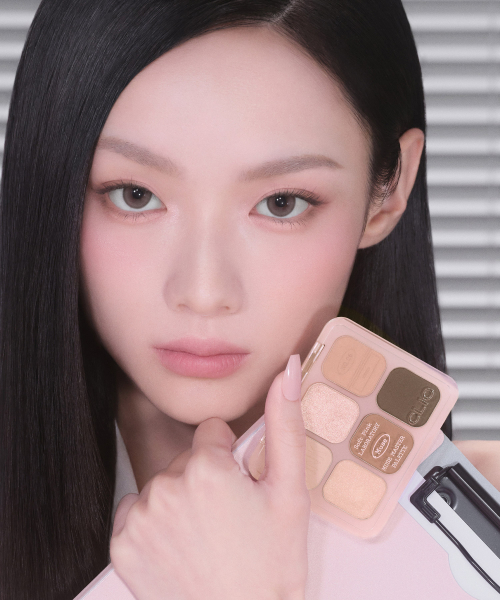
| Muse Master Palette | Size not stated in the product name | Eyes |
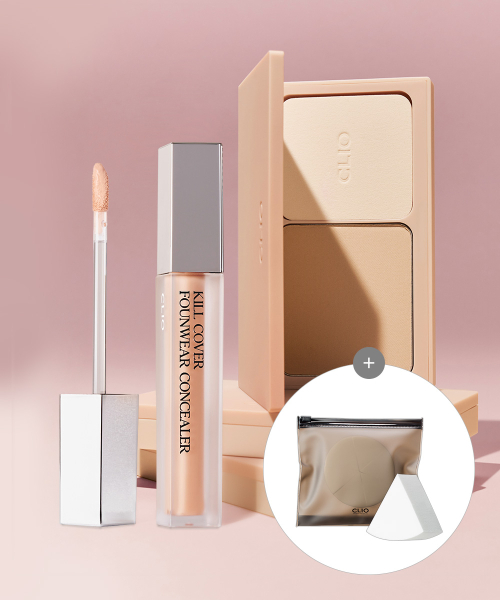
| Kill Cover Founwear Concealer plus Powder Foundation set | Size not stated in the product name | Base makeup |
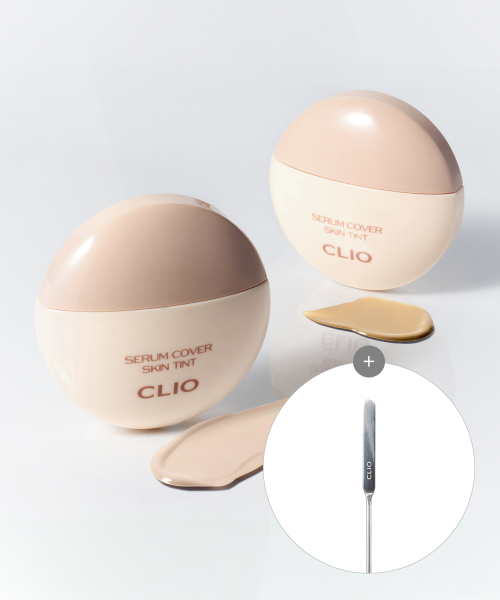
| CLIO Serum Cover Skin Tint 2-pack(built-in puff) | Size not stated in the product name | Base makeup |
| Volume Mate Tint(gloss/blur) | Size not stated in the product name | Lips |
In general, base makeup follows skincare, sunscreen, and makeup primer. Concealer and powder can then be placed within the base makeup steps. If the product gives a specific order, follow that direction.
How to place the products in a routine
For a morning routine, use this order as a practical reference.
- After cleansing, use your usual skincare according to its directions.
- If you use sunscreen, apply it before makeup primer according to its directions.
- Place makeup primer, foundation, concealer, and powder in that order.
- Finish eye makeup, then place lip pencil or tint at the final makeup stage.
At night, remove makeup with a makeup remover and then cleanse. If a remover is included with a product, check the directions for that item. Follow the directions on your usual skincare after cleansing.
Precautions
For a cosmetic you are using for the first time, perform a patch test on an area such as the inner arm and follow the stated method. A patch test does not prevent every possible skin reaction. Stop using the product immediately if an unusual reaction occurs.
If redness, swelling, itching, or irritation continues, stop using the product and consult a qualified professional. If the product gets into your eyes, rinse with water without rubbing. Check the container or outer box for storage instructions and the period of use.
Frequently asked questions
Does a CLIO product contain PDRN?
PDRN is not written in the product names listed here, so its presence cannot be confirmed. PDRN(polydeoxyribonucleotide/moisturizing ingredient)is included as an example of label reading. Check the full ingredient list on the actual product.
What should I do when Korean and Japanese ingredient names differ?
Do not treat a Korean display name as a Japanese ingredient name without checking it. Water, glycerin, and dimethicone can appear in different forms depending on the country and labeling rules. Prioritize the label printed on the product.
Should foundation or concealer be applied first?
In general, foundation follows makeup primer, with concealer and powder placed afterward when needed. If the product gives an order, follow that direction. Follow the directions printed on the product for amount and frequency.
When should I apply lip products?
Lip pencils and tints can be placed after base makeup and eye makeup. Check the product directions for the order of outlining and adding color. If a remover is included, follow its directions for removal as well.
Summary
- Read each ingredient name together with its formulation purpose.
- Match Korean and Japanese display names by their formal names.
- Do not confirm an ingredient from a product name when it is not written there.
- Follow the directions printed on the product for amount and frequency, and arrange makeup by product format.