

Pairs well with this story
Check MEDIHEAL ingredients by label and routine order
Ingredient names in MEDIHEAL product titles can appear differently in Korean and Japanese. Madecassoside (formal name: マデカッソシド; purpose: confirm on the full ingredient list), tea tree (formal name: ティーツリー葉エキス and related forms; purpose: confirm on the full ingredient list), and PDRN (formal name: polynucleotide; purpose: moisturization) should be checked in both the product title and the ingredient label. Ingredients not named in the title should not be confirmed from the title alone.
When reading a product, first check the product name and texture. Then compare the Korean product name with the Japanese ingredient label, and place a serum or sun stick at the correct step.
In general, skincare follows cleansing with toner or a similar step, then serum, lotion, or cream. In the morning, use sun protection after skincare, followed by makeup if used. Follow the directions printed on the product for amount and frequency.
Ingredient names and purposes in product titles
Madecassoside labels
The product name “madecassoside” may appear in Korean as “마데카소사이드.” Japanese ingredient labels may use “マデカッソシド,” while the product title can use “マデカソサイド.” The Korean name and the Japanese label form should be read together because their wording differs.
Madecassoside is used as a skincare ingredient in Korean cosmetics. Confirm its formulation purpose on the full ingredient list. Even when the name appears in a product title, the amount and full formula cannot be determined from the title alone.
Tea tree labels
“Tea tree” may appear in Korean as “티트리.” Japanese labels may show “ティーツリー” or a form such as “ティーツリー葉エキス.” The Korean name and the Japanese label forms should be read together because the displayed scope can differ. Confirm the formal ingredient name and formulation purpose on the full ingredient list.
Tea tree is used in Korean cosmetics as a plant-related scent or skincare ingredient. A product with “티트리” or “tea tree” in its name is an example where the name appears in the title. The exact ingredient name and purpose should still be checked on the label.
PDRN labels
PDRN should be read with its formal name, “polynucleotide(保湿成分),” and its formulation purpose. Korean labels may show “PDRN” or “폴리데옥시리보뉴클레오타이드.” The Korean forms and the Japanese formal name should be checked together because the displayed names differ. Japanese labels should be checked for the formal name and stated purpose.
PDRN is used in Korean cosmetics as an ingredient label associated with moisturization. A product with PDRN in its title lets you identify that name from the title. Cosmetic ingredient descriptions should keep the ingredient name and its purpose separate.
How to compare Korean and Japanese labels
Do not treat a Korean product name as the Japanese ingredient label without checking. Similar sounds can refer to different formal names, plant parts, or extract types.
Use the following order when checking a product.
- Identify the ingredient name in the product title.
- Place the Korean and Japanese forms side by side.
- Confirm the formal name on the Japanese full ingredient list.
- Check the formulation purpose shown with the ingredient.
- Do not confirm an ingredient that is not named in the product title.
Madecassoside, tea tree, and PDRN should not be mechanically treated as interchangeable terms. Seeing the Korean name alongside the Japanese label makes it easier to check a product page and its Japanese packaging text.
Order for serums and sun sticks
Place a serum in the serum step after cleansing. If toner or a similar product is used, apply it before the serum. If lotion or cream is used, place it after the serum. In the morning, use sun protection after the serum step.
Place a sun stick at the sun-protection step after morning skincare. If makeup is used, apply makeup after sun protection. Serums and sun sticks are different textures and belong at different points in the routine.
Use this morning order.
- Cleanse.
- Apply toner or other skincare listed on the product.
- Apply the serum.
- Apply lotion or cream.
- Apply sun protection.
- If using makeup, apply it after sun protection.
At night, remove sun protection and makeup before cleansing. Then continue with toner or a similar step, serum, and lotion or cream. Follow the directions printed on the product for amount and frequency.
Five products identified by their names
The following table organizes the use step from each product name, listed size, and texture. Set counts are shown as written in the product names.
| Product | Size | Routine step |
|---|---|---|
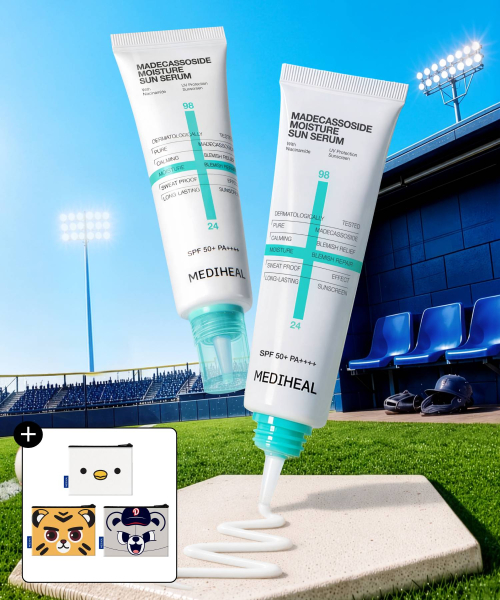
| Madecassoside 水分 サン セラム 特別 企画 セット (2個) | 2 pieces | Serum at the serum step; any sun-protection part follows the product directions |
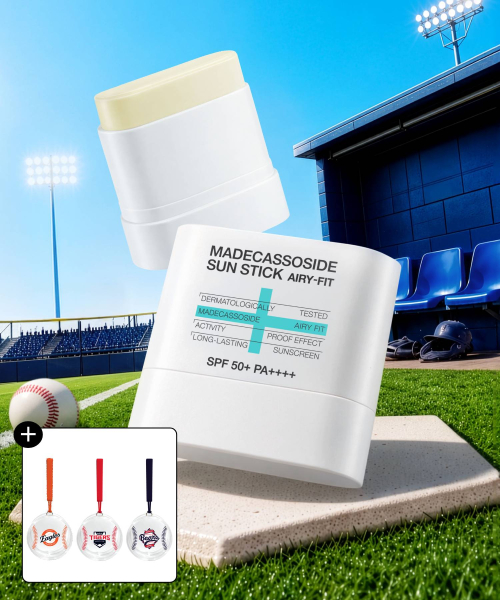
| Madecassoside サンスティック エアリーフィット 特別 企画 セット (2個) | 2 pieces | Sun-protection step |
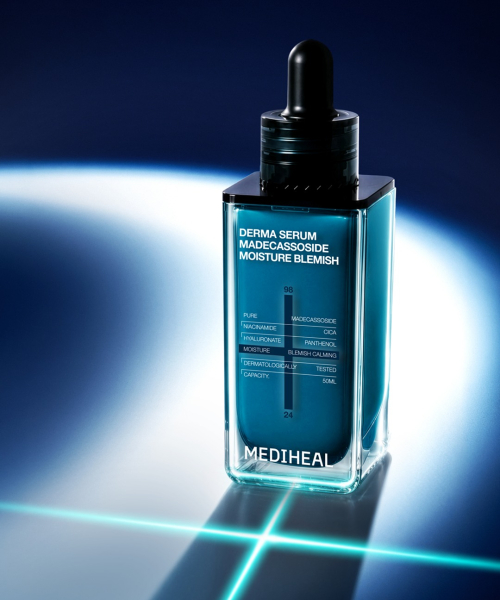
| Madecassoside ダーマセラム 50ml | 50ml | Serum step |
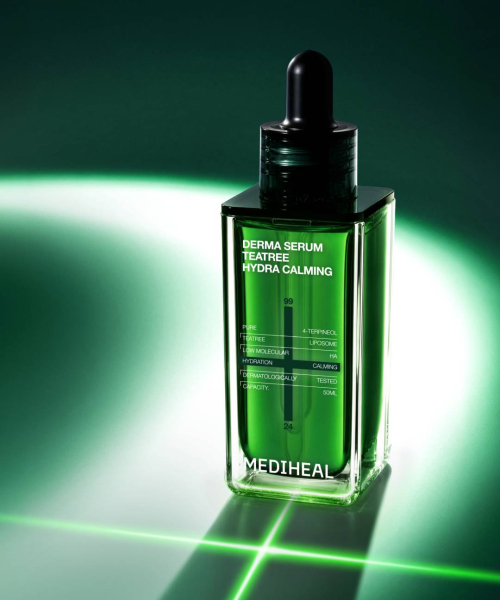
| Tea Tree ダーマセラム 50ml | 50ml | Serum step |
| PDRN ダーマセラム 50ml | 50ml | Serum step |
“Madecassoside 水分 サン セラム” includes both serum and sun-related wording in its title, so check the product directions for its exact step. “サンスティック” identifies the texture, so place it at the sun-protection step.
The three derma serums include madecassoside, tea tree, or PDRN in their product names. For ingredients not named in a title, and for each product’s amount and frequency, follow the directions on the container or product page.
Notes
For a first use, perform a patch test according to the product directions. If an unusual skin reaction occurs, stop using the product and consult a qualified professional when needed.
If redness, itching, swelling, or another unusual reaction continues, do not resume use. If the product enters the eyes, rinse with water without rubbing and follow the product directions.
Frequently asked questions
How is madecassoside shown in Japanese?
The product title may show “マデカソサイド,” while a Japanese ingredient label may use “マデカッソシド.” The Korean form is “마데카소사이드.” Confirm the exact form and formulation purpose on the full ingredient list rather than relying on the product title alone.
What is PDRN?
PDRN is read with its formal name, “polynucleotide(保湿成分),” and its formulation purpose. Korean labels may use “PDRN” or “폴리데옥시리보뉴클레오타이드.” Confirm whether it appears in the product title and follow the stated label purpose.
Which comes first, a serum or a sun stick?
In general, place the serum at the serum step and the sun stick at the sun-protection step. In the morning, use serum, lotion or cream, sun protection, and then makeup. Follow the directions printed on the product for amount and frequency.
Can a product contain ingredients not named in its title?
The product title alone cannot confirm ingredients that are not named there. Check the Japanese full ingredient list for the formal name and formulation purpose. Do not confirm an ingredient when it cannot be verified from the available label.
Summary
- Madecassoside, tea tree, and PDRN can have different Korean and Japanese label forms.
- Check the ingredient name, formal name, and formulation purpose separately on the full list.
- Place serums at the serum step and sun sticks at the sun-protection step.
- Follow the directions printed on the product for amount and frequency.