

Pairs well with this story
How to Read VT COSMETICS Ingredients and Use Them in Order
Ingredient words in VT COSMETICS product names are a starting point for checking cosmetic purposes. Caffeine, rice, ceramides, vitamin C, retinal, and bakuchiol are ingredient names or common ingredient terms used in cosmetic labeling.
A product without an ingredient name in its title cannot be confirmed from the title alone. Check the full ingredient list, and follow the product directions for amount and frequency.
Formal Names and Cosmetic Purposes
Caffeine (formal name: caffeine; cosmetic purpose: skin conditioning) may be listed as a skin-conditioning ingredient.
Rice is a material reference in a product name. In a Japanese ingredient list, rice extract may appear as コメエキス (formal name: コメエキス; cosmetic purpose: skin conditioning or moisturizing), while Korean labeling may use 쌀추출물. The wording differs, but both refer to rice extract.
Ceramides are not limited to one ingredient name. Ceramide NP (formal name: Ceramide NP; cosmetic purpose: moisturizing) and Ceramide AP are examples of names that vary by type.
Vitamin C is a general term. A full ingredient list may use specific names such as ascorbic acid (formal name: ascorbic acid; cosmetic purpose: skin conditioning) or 3-O-ethyl ascorbic acid.
Retinal (formal name: retinal; cosmetic purpose: skin conditioning) is listed as a skin-conditioning ingredient. Retinal and retinol have different ingredient names, so they should not be read as the same term.
Bakuchiol (formal name: bakuchiol; cosmetic purpose: skin conditioning) is used as a skin-conditioning ingredient. Korean labeling may show 박쿠치올, while Japanese labeling may show バクチオール.
Even when an ingredient appears in a product name, check the full ingredient list for the specific type and cosmetic purpose. Do not estimate an amount from numbers or letters beside an ingredient name.
Korean and Japanese Labeling Differences
Korean cosmetics may show ingredient names in Korean and English. When a product is purchased in Japan, checking the Japanese full ingredient list can help prevent reading differences.
| Korean labeling | Japanese labeling | How to read the purpose |
|---|---|---|
| 카페인 | カフェイン | Skin-conditioning ingredient |
| 쌀추출물 | コメエキス | May be listed as a skin-conditioning or moisturizing ingredient |
| 세라마이드엔피 | セラミドNP | Moisturizing ingredient |
| 비타민C | Ascorbic acid and others | Skin-conditioning ingredient |
| 레티날 | レチナール | Skin-conditioning ingredient |
| 박쿠치올 | バクチオール | Skin-conditioning ingredient |
“Reedle Shot” is part of a product name and should be treated separately from an ingredient name. The Korean term 리들샷 is shown as リードルショット in Japanese product names. The number 1300 is also product-name information and should not automatically be read as an amount or frequency.
Morning and Evening Layering Order
In general, skincare is layered from lighter textures to richer, more oil-containing textures. Follow each product’s printed directions for amount, frequency, and timing.
Use this morning order:
- After cleansing, use toner if the product directions call for it.
- Apply a fluid product such as a serum.
- If using a cream, apply it after the serum.
- Apply sunscreen last, let it set, and then apply makeup.
Use this evening order:
- Remove makeup and sunscreen, then cleanse.
- If using toner, apply it next according to the product directions.
- If using a Reedle Shot or serum, place it according to the product directions.
- If using a cream, apply it after fluid products.
If the label specifies morning or evening use, follow that direction. When several products belong to the same stage, check each label instead of changing the order by assumption.
Four Products Identified by Their Product Names
The products below are organized only by information available from their names and stated sizes. Check each product’s directions for any amount or frequency not shown here.
| Product | Size | Routine position |
|---|---|---|
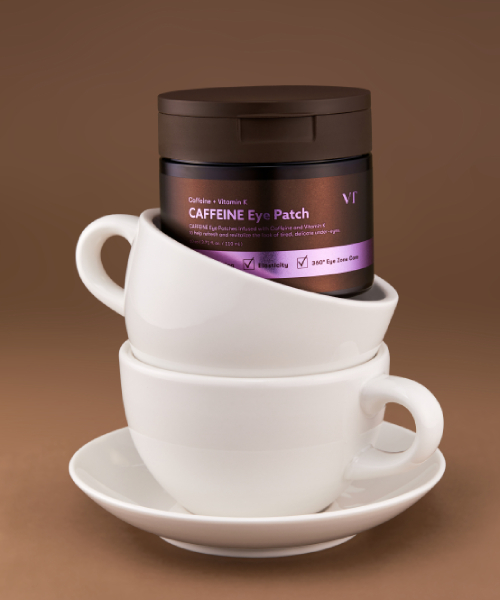
| VT Caffeine Eye Patch | 60 patches | Eye-area care step |
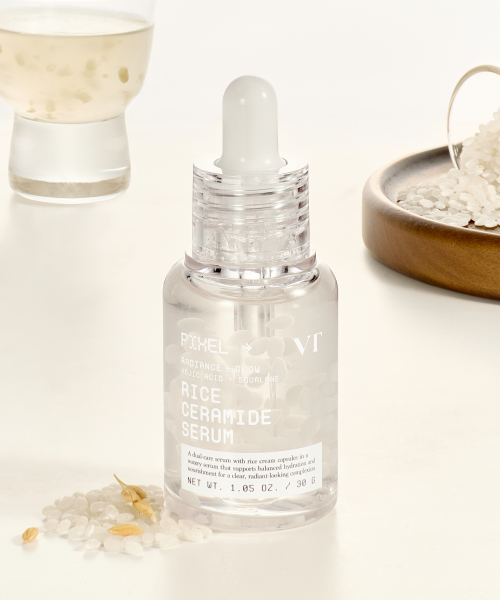
| VT Rice Ceramide Serum | 30ml | Serum step |
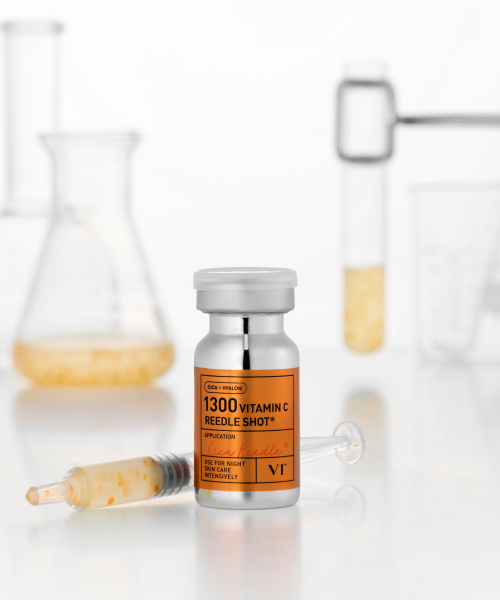
| VT Vitamin C Reedle Shot 1300 | 8ml | Reedle Shot step according to the label |
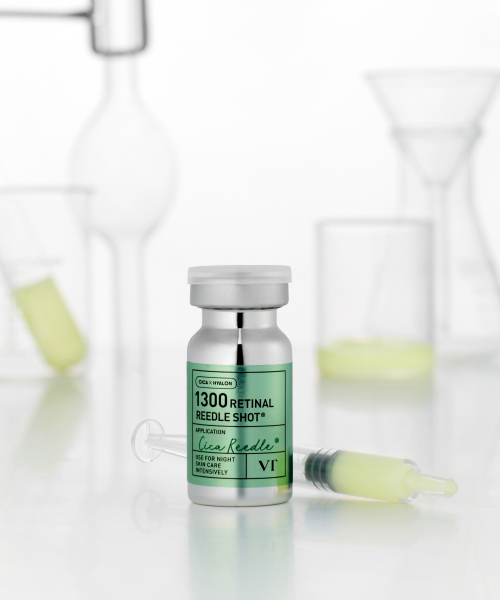
| VT Retinal Reedle Shot 1300 | 8ml | Reedle Shot step according to the label |
The word caffeine in the eye patch name is a clue for checking the ingredient list. The serum name includes rice and ceramide, so check the labeling for rice-related and ceramide-related terms.
The vitamin C and retinal products share the words Reedle Shot, but their ingredient names differ. The 1300 in each name is not the size. Each product is 8ml.
How to Choose While Reading the Label
First, check whether the product name contains an ingredient name. Next, read the full ingredient list and identify whether the ingredient is listed for moisturizing, skin conditioning, or another cosmetic purpose.
Ceramides have different names by type, so do not stop after seeing only the word ceramide. For vitamin C, check a specific name such as ascorbic acid when it appears in the full list.
Retinal and bakuchiol are separate ingredients with similar-looking names. Compare the product name with the full ingredient list instead of treating them as the same ingredient.
A practical step you can take today is to photograph the full ingredient list after purchase and compare it with the ingredient words in the product name. For layering, check the labels in the order of fluid product, cream, sunscreen, and makeup.
Cautions
When trying a cosmetic for the first time, perform a patch test with a small amount, such as on the inner arm. Follow the product directions for the test area and method.
Stop using the product if redness, swelling, itching, irritation, or another unusual reaction appears. If the condition continues or you are concerned, consult a qualified professional.
Frequently Asked Questions
What should I do if the product name has no ingredient name?
Do not determine the formula from the product name alone. Check the full ingredient list on the box or container. Reedle Shot and a number should not automatically be interpreted as an ingredient name or frequency. Follow the product directions for amount and frequency.
Are all ceramides labeled the same way?
No. The name changes by type, such as Ceramide NP or Ceramide AP. Check the specific name in the Japanese ingredient list and compare it with the Korean form 세라마이드엔피 when needed.
Are vitamin C and retinal the same ingredient?
No. Vitamin C may appear as ascorbic acid or another specific name, while retinal is listed as retinal. Check the product name and full ingredient list, and follow each product’s directions for order and timing.
What is the order for sunscreen and makeup?
In general, apply sunscreen after the rest of your skincare and before makeup. Apply cream before sunscreen. If the product provides a specific direction, follow the label.
Summary
- Ingredient words in a product name are a starting point for reading the full list.
- Check specific names for ceramides and vitamin C.
- Follow the printed directions for amount, frequency, and timing.
- Check sunscreen order in the morning and cleansing order in the evening.