
There are many types of Korean cosmetics cleansers, and even the same brand may offer oil, balm, and milk formulas. This article organizes what changes when the names differ and how to choose among them.
Pairs well with this story
Main Types and Features
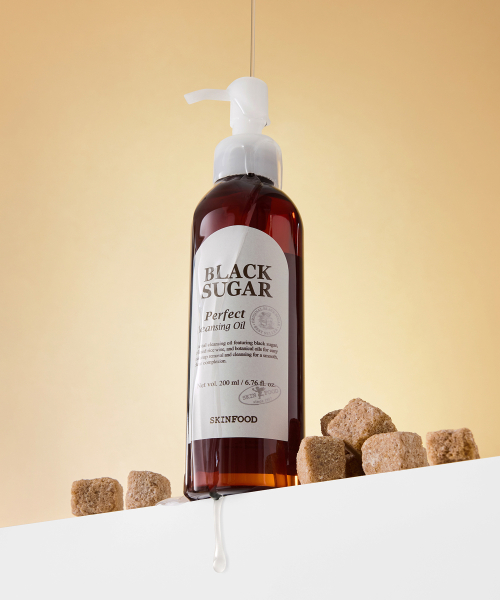
Cleansing Oil
This type uses liquid oils to blend with and remove makeup. Generally, adding water turns it white through emulsification, making it possible to rinse away. Some people dislike the feeling of oil remaining on the skin.
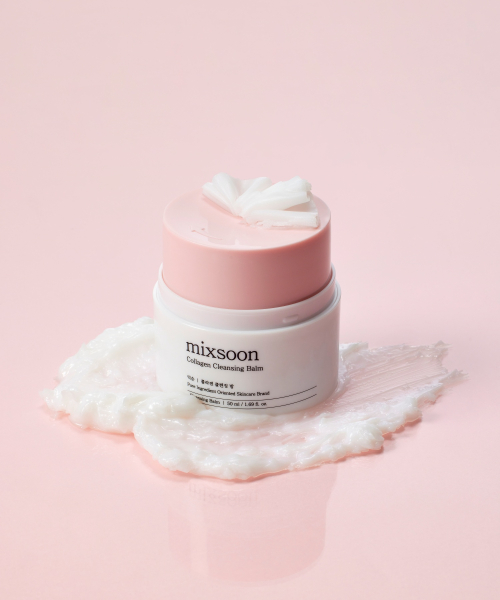
Cleansing Balm
It is solid at room temperature and melts into an oil-like texture on the skin. Like cleansing oil, it is blended with makeup to remove it, and it is less likely to spill.
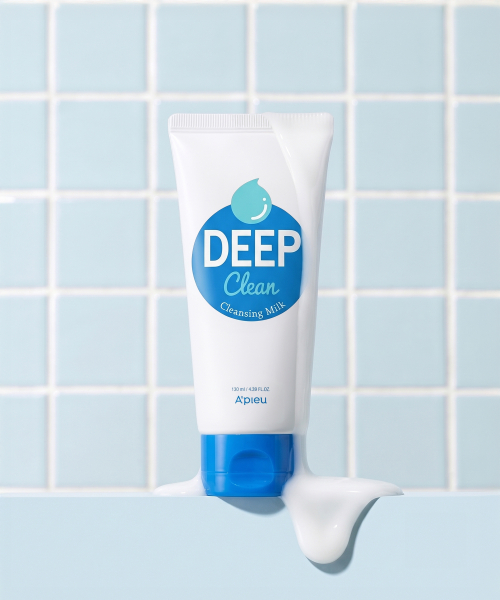
Cleansing Milk
This type has a lotion-like texture and spreads easily. Removing heavy makeup may take time.
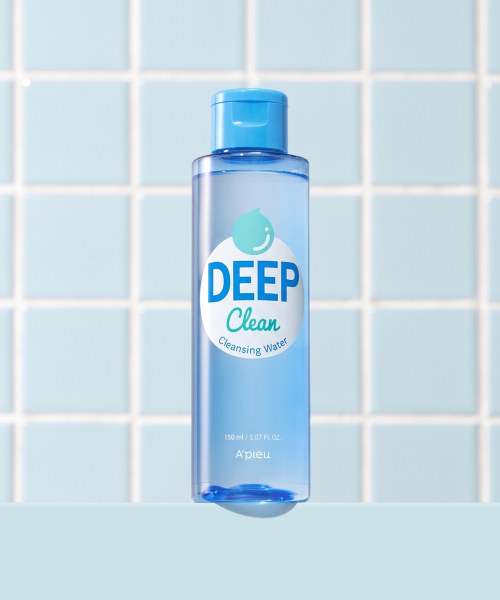
Cleansing Water
It has a watery texture and is applied to cotton before wiping. It is convenient, but be careful not to rub too much.
Cleansing Gel
This is a clear to translucent type with a slightly thick texture. Both water-based and oil-based products are available, and the feel and makeup they can remove vary by product.
Cleansing Foam and Facial Foam
Even when the name includes “cleansing,” some products are intended as facial cleansers. Because they can be confusing, check the stated purpose.
In Japanese Labeling, Cleansers Are Also Classified as “Cleansing Products”
Industry rules concerning cosmetic labeling define names that indicate a product’s category. “Cleansing products” include facial cleansers and makeup removers. Makeup remover, makeup remover cream, and face wash are also included in the same category.
A name indicating the form of the product, called a dosage-form name, is added to this category name. Dosage-form names include oil, gel, paste (balm), cream, emulsion, lotion, foam, and water. Examples in the rules include “cleansing oil,” “cleansing gel,” and “facial foam.”
Products with multiple uses may connect the names with a centered dot, as in “cleansing·massage cream.”
In other words, the difference between oil, balm, and milk is, in labeling terms, a difference in form. Check the product name and stated purpose to determine whether it is a makeup remover or a facial cleanser.
Whether a “Second Cleanse” Is Needed
A second cleanse means washing with a facial cleanser after removing makeup with a cleansing product. Check the product directions to determine whether it is needed.
- If it says “no second cleanse needed”: proceed directly to the next skincare step.
- If it says “wash with a facial cleanser” or gives similar instructions: wash with a facial cleanser after cleansing.
- If you cannot find the information: check the manufacturer’s official explanation, and contact the manufacturer if it remains unclear.
Selection Guidelines
First, check the specified removal method for the makeup or sunscreen you want to remove. Then choose a cleansing product by checking statements such as “suitable for waterproof makeup.”
Suitability is not determined by form alone. With every type, the shared precautions are not rubbing and not leaving it on the skin for a long time.
Points to Note About Korean Cosmetics Cleansers
When a product has no Japanese labeling, it may be difficult to tell whether it is a “cleanser (makeup remover)” or a “facial cleanser.” Even if the product name says “cleansing foam,” it may be a facial cleanser, so check its purpose before purchasing.
The overall order of use is covered in the guide to the Korean skincare routine.
Precautions
Follow the directions printed on the product for amount and time on the skin.
As an example of a precautionary statement for facial cleansing products, industry labeling rules list: “If the product gets into your eyes, rinse immediately. If a foreign-body sensation remains, consult an eye-care professional.” Follow any precautionary statements provided with the product you have.
Before using a new product, people generally test a small amount on an inconspicuous area, such as the inside of the arm. If redness, swelling, itching, irritation, or another abnormality occurs, stop using the product and consult a healthcare professional if the symptoms continue.
Frequently Asked Questions
Are the contents of cleansing oil and cleansing balm different?
Both are blended with makeup to remove it. Their state at room temperature differs: balm is solid, while oil is liquid. Ingredients and the makeup they can remove vary by product, so check the labeling.
Can cleansing products and facial cleansers be distinguished by their labeling?
Under Japanese labeling rules, both belong to the category of “cleansing products.” Names may include “cleansing,” “makeup remover,” or “facial cleanser,” along with the intended use. When in doubt, check the stated purpose of the product.
How many minutes should I spend cleansing?
Follow the directions printed on the product. Observe the stated time and do not leave it on the skin for longer than indicated.
Can facial foam alone remove makeup?
It depends on the product. Check the specified removal method for the makeup or sunscreen and the facial cleanser’s directions. If the product says a cleansing product is needed, use a dedicated cleanser.
Summary
- Oil, balm, and milk products differ in form and feel.
- Under Japanese labeling, cleansing products and facial cleansers both belong to the category of “cleansing products.”
- Check the labeling for the makeup or sunscreen you want to remove first, and also check whether a second cleanse is needed.
- “Cleansing foam” may be a facial cleanser, so confirm its purpose.
Sources
- [Japan Cosmetic Fair Trade Council, Enforcement Regulations, Appendix 1 (Names by Category)](https://www.cftc.jp/kiyaku/kiyaku02-1.html)
- [Japan Cosmetic Fair Trade Council, Enforcement Regulations, Appendix 2 (Precautions for Use or Storage)](https://www.cftc.jp/kiyaku/kiyaku02-2.html)