
MODAMMM Journal
How to choose and use Korean beauty products.
How to Read MANYO Ingredients and Layer Products | 3-Item Guide
When choosing MANYO products, start by checking how the ingredient terms in the product names correspond to Japanese labeling and where each texture belongs in a routine. Galact, niacin, and bifida may appear differently in Korean product names and Japanese ingredient lists. This guide explains the terms, their general cosmetic roles such as moisturizing and skin conditioning, and how to verify the label. It also shows the listed sizes and textures, then places the essence, ampoule mask, and cream into practical morning and evening steps.
How to Apply peripera|Order and Tool Guide
The order for peripera point makeup is skincare, sunscreen, base makeup, brows, the eye area, and lips. Use the brow pencil to shape the brows first, then apply the brow mascara. Apply the tint after the base makeup. Keep puffs and brushes assigned to their intended areas, and check the shade code and finish on the back of your hand before applying. Follow the directions printed on each product for amount and frequency. Place sunscreen before makeup during the day.
K-Beauty Ingredients|Names, Purpose, Order
K-beauty ingredient labels are easier to understand when the ingredient name and its formulation purpose are read separately. Terms such as PDRN and hyaluronic acid should be checked with their full names and purposes, such as moisturizing or skin-conditioning use. Korean and Japanese cosmetic labels may use different names for the same ingredient, so the matching label should be confirmed. Using TIRTIR products as examples, this guide also explains where a toner pad, primer, and lip pencil fit in a routine.
How to Apply Cushion Foundation|Order, Tools, and Shade Checks
Apply cushion foundation after skincare and sunscreen, then press it on with a puff to refine the finish. Dr.Althea offers cushion options described as moisture and cover types. In Korean, it is called ‘쿠션 파운데이션’, while Japanese uses ‘クッションファンデ’. Both refer to foundation in a cushion case. This guide explains where to place a mask in the routine, how to handle a puff or brush, and how to check the shade number. Follow the directions printed on the product for amount and frequency.

MEDIHEAL Ingredient Labels and Order|A Guide to 5 Products
This guide explains how to read madecassoside (formal name: マデカッソシド; purpose: confirm on the full ingredient list), tea tree (formal name: ティーツリー葉エキス and related forms; purpose: confirm on the full ingredient list), and PDRN in MEDIHEAL product names. It includes their Korean and Japanese label forms. It separates names that appear in a product title from ingredients that can only be confirmed on the full ingredient list. Serums and sun sticks belong at different points in a routine, so the morning and evening order is shown clearly. Check the listed sizes and set counts, and follow the directions printed on the product for amount and frequency.
How to Apply illiyoon|Order, Tools, and Shade Checks
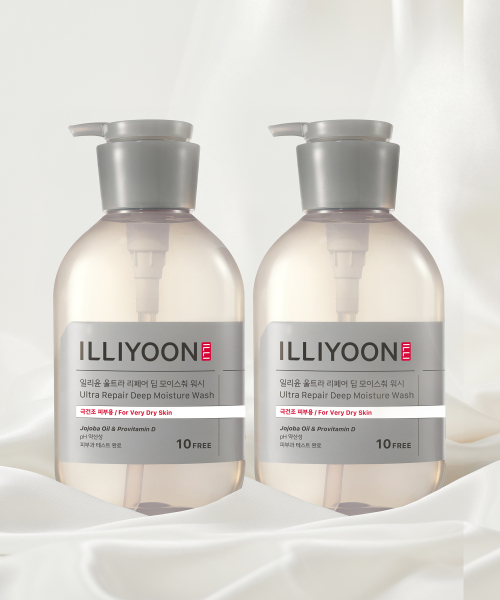
Use illiyoon products in this order: cleanse, add moisture with lotion, finish with cream, and apply sunscreen when needed. This guide explains how to apply lotion and cream, handle puffs and brushes, and place sunscreen before makeup. Follow the directions printed on the product for amount and frequency. If a shade number appears, check the box and container before use. Morning and evening routines are covered separately.
How to Read CLIO Ingredient Lists|Korean and Japanese Names, Makeup Order
When choosing CLIO products, separate each ingredient name from its stated formulation purpose to read the label clearly. Korean full-ingredient lists may look different from Japanese labels, so matching equivalent names helps with basic comparison. This guide explains how to read cosmetic ingredient names, how labels are arranged, and where makeup items fit in a routine. It also shows example CLIO lip, eye, and base makeup items with their intended placement.
How to Apply Dr.G Cream|Order, Finish, and Shade Check
Apply Dr.G cream after cleansing and basic skincare, then use sunscreen before makeup during the day. This article explains where the cleansers and cream fit in your routine, how to handle your hands, puff, and brush, and how to finish morning and evening routines. It also covers how to check the shade number for Vita Clear Glutashot 7 Plus Wrapping Blemish Cream 50mL. Follow the directions printed on the product for amount and frequency.
How to Read VT COSMETICS Ingredients and Layer Products
Ingredient words in VT COSMETICS product names can help you check the full ingredient list. This guide explains caffeine, rice, ceramides, vitamin C, retinal, and bakuchiol, including their formal names, cosmetic purposes, and differences between Korean and Japanese labeling. It also covers how to place serums, eye patches, creams, sunscreen, and makeup in a routine. Product amounts and frequency are not inferred from ingredient names or numbers in a product name. Always follow the directions printed on each product.
How to Apply ROUND LAB Masks|Order and Tools
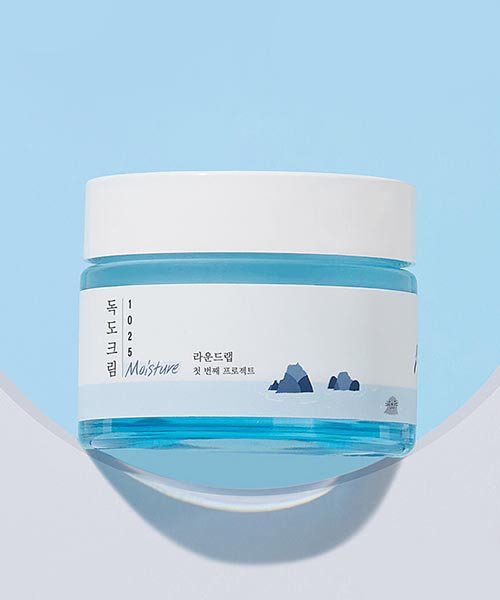
ROUND LAB masks should be placed in the routine according to their textures and product directions. This guide covers the Pine Cica Deep Pore Clay Pack Cleanser, 1025 Dokdo Water Gel Mask, and Pine Calming Cica Mask. It explains where each product fits, how to smooth on a wash-off product, how to position sheet masks, and how to handle a puff or brush. It also covers the order of sunscreen and makeup, plus how to check a shade number when a product uses one. Follow the product label for amount and frequency.
How to Read Torriden Ingredient Labels | Hyaluronic Acid and CICA
Hyaluronic acid (formal label example: sodium hyaluronate; purpose: moisturising) and CICA (formal label example: Centella Asiatica Leaf Extract; purpose: moisturising or skin conditioning) in Torriden product names are clues for reading ingredient information. This article explains formal names, label meanings, and differences between Korean and Japanese ingredient wording. It also shows where toner, masks, cream, and sunscreen fit in a routine. Follow each product’s directions for amount and frequency, then use the label information to organise a practical morning and evening routine.
How to Read peripera Ingredient Labels | Usage Order and Selection Guide
When choosing peripera products, check more than ingredient names: review the label, formula type, and makeup step. This guide explains terms such as tint, brow color, mascara, and beam products, while clarifying how Korean and Japanese naming can differ. It also separates ingredients that can be confirmed from product information from general examples of label wording. Finally, it covers morning and evening order, including where sunscreen and makeup remover fit.
How to Read Dr.Althea Ingredients|Order and Selection
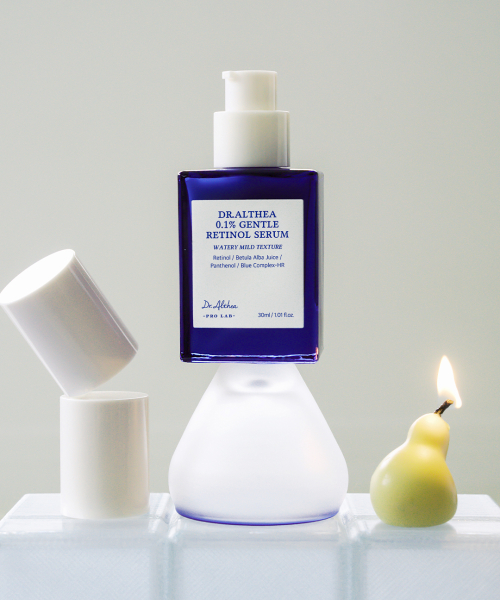
Dr.Althea products are easier to evaluate when you read the product name, full ingredient list, and directions as separate sources of information. With the 0.1% Gentle Retinol Serum, the number in the name alone does not determine how to use it. This guide explains how to match Korean and Japanese ingredient names and the basic morning and evening order.
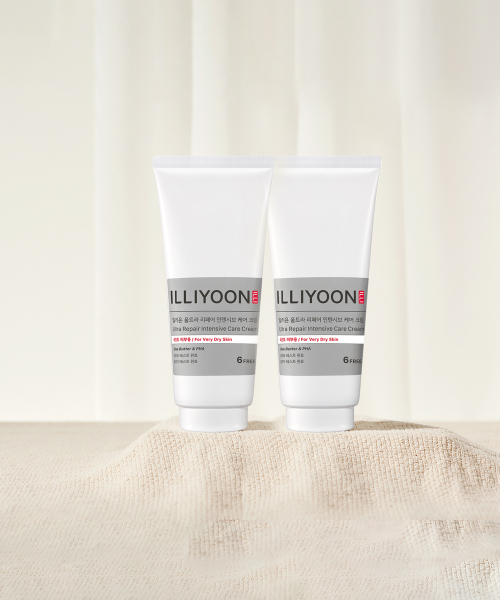
How to Read illiyoon Ingredient Labels|Names, Purposes, and Order
Illiyoon ingredient lists are easier to understand when you first identify the leading ingredients and whether the formula is rinsed off or left on. Korean and Japanese labels may use different names for the same ingredient, so checking the formulation purpose provides a clearer basis for choosing. This guide covers how glycerin, panthenol, ceramide NP, and other ingredients are labeled and why they are used. It also explains the order of use and how to layer products with sunscreen and makeup.
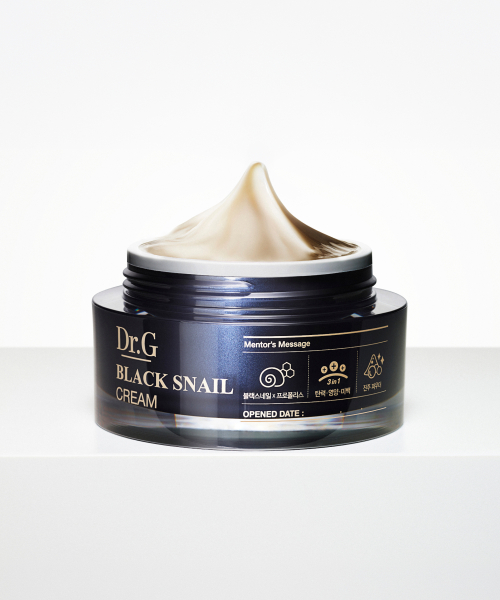
How to Read Dr.G Ingredients|Selection and Layering Guide
Dr.G ingredient lists become easier to understand when each ingredient is grouped by its intended formulation role: cleansing, moisturizing, or skin conditioning. The Korean term “yaksanseong” corresponds to “mildly acidic.” “Soothing” is a word used in product names and does not describe a cosmetic benefit under Japanese rules. This guide explains ingredient names, list order, and why these materials appear across Korean cosmetic formats. It also covers how to think about amounts and the layering order with makeup and sunscreen.
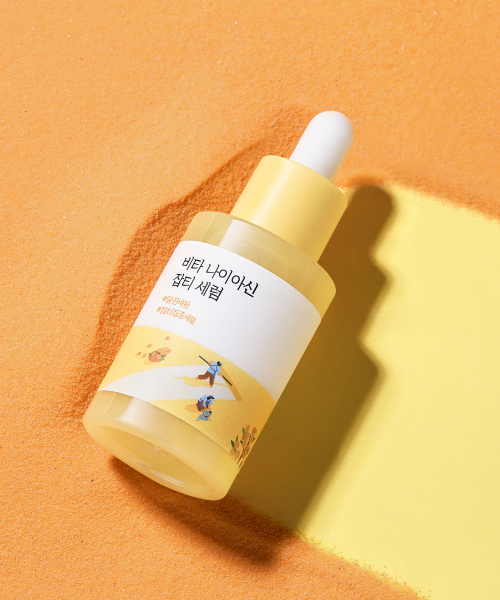
How to Read ROUND LAB Ingredient Labels|CICA Names and Order
ROUND LAB ingredient lists become easier to understand when CICA components and product textures are considered separately. In Korean skincare, CICA is not one official ingredient name but a label associated with Centella asiatica and related skin-conditioning ingredients. Pine leaf extract, humectants, and clays should also be read by their listed names and formulation purposes. This guide explains those terms, how to think about amounts, and the layering order from toner to cream.
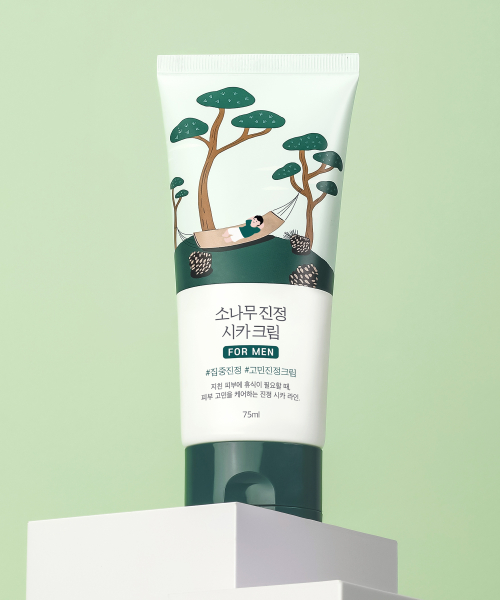
How to Use ROUND LAB|Order and Selection Guide for 4 Men's Products
Use these four ROUND LAB men's products in the order of toner, lotion, and cream. The clay pack goes after cleansing and before toner. A daily routine can center on the three leave-on products, returning to that routine after the pack. This guide covers each product's place, morning and evening steps, the order on clay pack days, patch testing, and what to do if a reaction occurs.
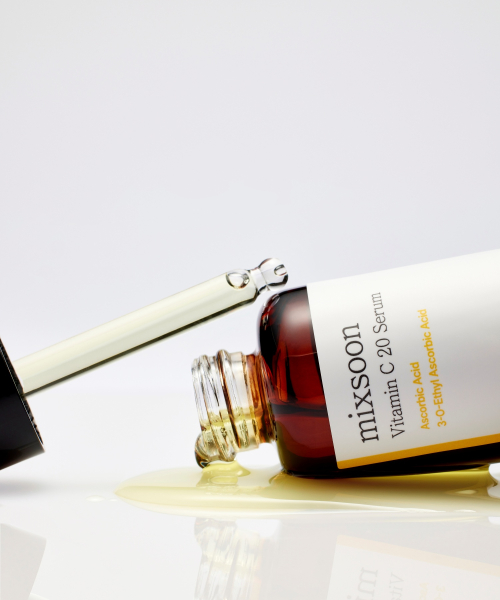
How to Use the mixsoon Vitamin C Serum | Order for Layering with Cream
The mixsoon Vitamin C20 Serum is applied after cleansing and allowed to absorb before finishing with cream. The U.S. official website recommends using the Vitamin C Cream at night. This article also covers the container shapes, how to read the full ingredient list, and where to add the Soybean Serum.
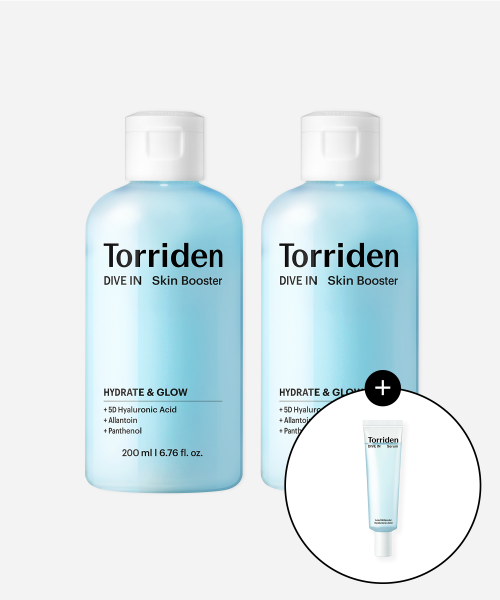
How to Use Torriden Dive In | Order of Skin Booster and Cream
Torriden Dive In is used after cleansing with the cleansing foam, followed by the skin booster and cream. Based on the usage instructions and full ingredient lists shown on the official sites, this article explains the order of the three products and how to read the labels.
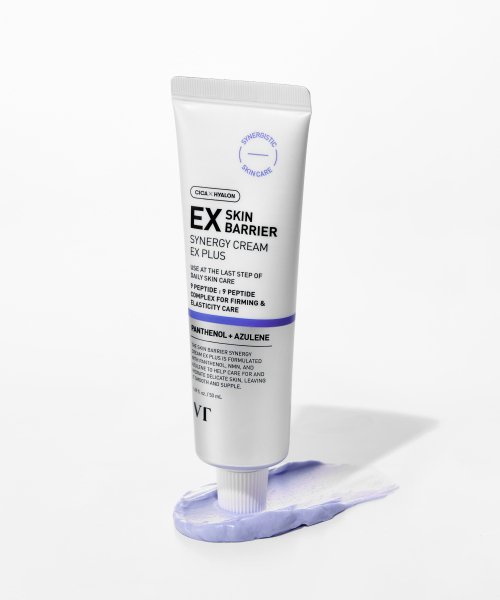
VT Serum, Mask, and Sun Stick Order|How to Use Five Products
This guide sets out the order for five VT items: two serums, a hydrogel mask, eye patches, and a sun stick. The basic order is toner, mask, serum, cream, and sunscreen. It also explains how to add new products to the routine.
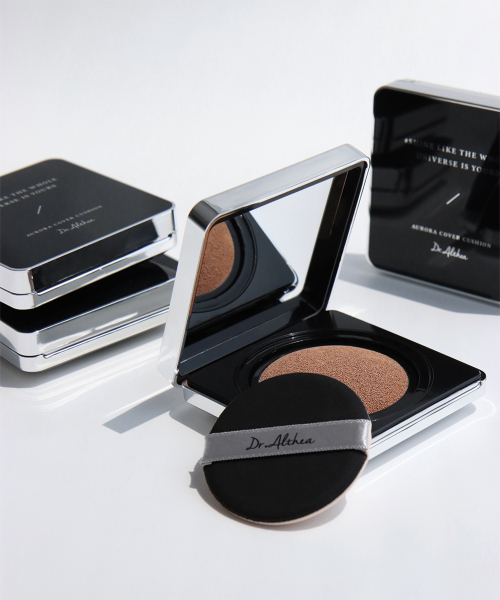
How to Choose a Dr.Althea Cushion|Differences Between the Original and Moisture
This article organizes the differences between Dr.Althea’s Aurora Cover Cushion and Moisture based on the product labeling. Both are 15g, SPF50+, and PA+++, and both come in shades 13, 21, and 23. The differences are the finish positions shown in the product description and the contents of the full ingredient lists. It also covers the role of the refill and how to choose a shade.
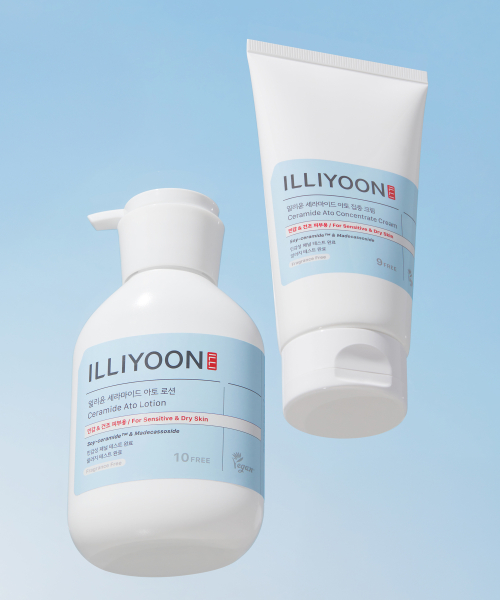
How to Use Illiyoon Ceramide Ato|Order of Lotion and Cream
The illiyoon Ceramide Ato series is used after washing with the wash product. The order is lotion, then intensive cream. Based on the usage instructions and full ingredient lists shown on the official Korean online mall, this article explains the roles of the three products and how to read the product information.

How to Use Isntree Onion Newpair|Order for the Pad and Cream
Isntree Onion Newpair Clear Pad is used after cleansing, while Gel Cream Plus is applied at the end of your skincare routine. Based on the official product information, this article explains how to use the three products and read their full ingredient lists.
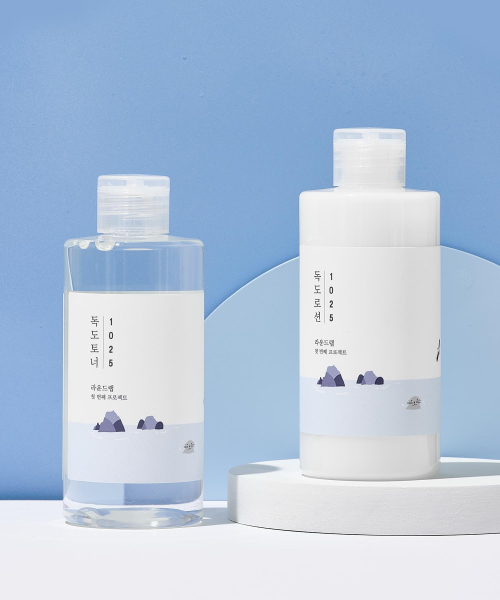
How to Use Round Lab Dokdo Toner|Order with Cream and Cleanser
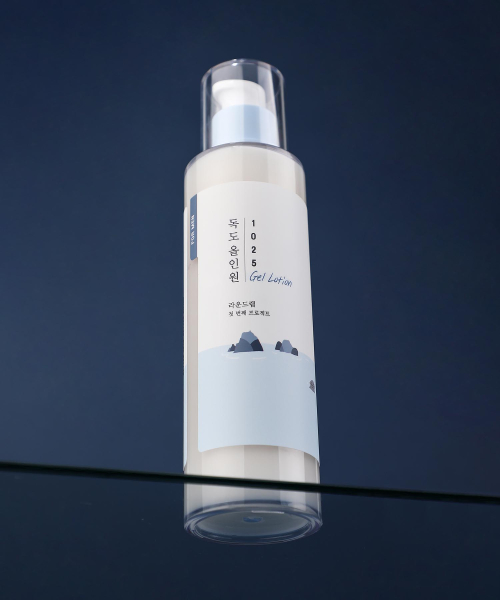
ROUND LAB’s 1025 Dokdo series is used after cleansing in the order of toner, lotion, and cream. In the 200ml toner and 200ml lotion set, apply the lotion after the toner. This article also summarizes the toner instructions provided on the official site and how to read the ingredient list.
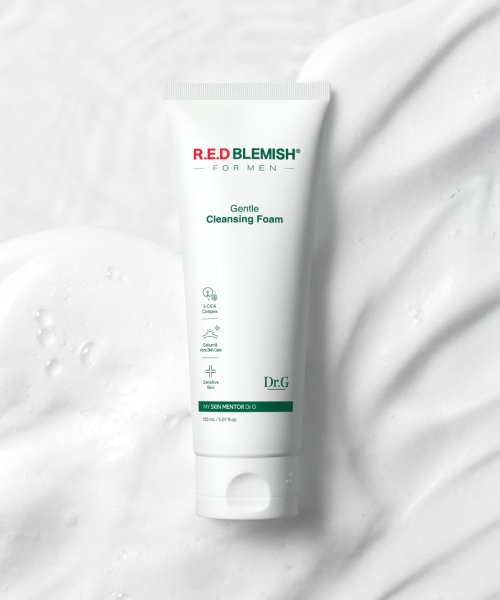
Dr.G Cleanser, Toner, and SPF Order|Roles of Four Products
The four Dr.G products can be organized by role: cleanser, toner, gel mask, and sunscreen. They are not all-in-one formulas and are meant to be combined in order. This guide explains the order of use and the morning and evening steps.
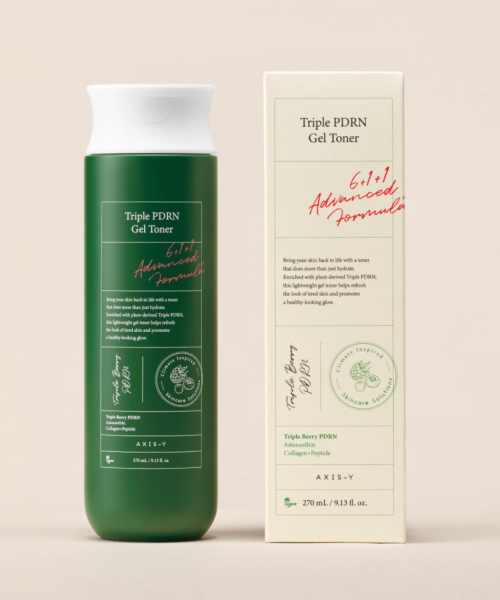
How to Use AXIS-Y PDRN Serum|Gel Toner Layering Order
Apply the AXIS-Y gel toner after cleansing and before the PDRN (polydeoxyribonucleotide, a moisturizing ingredient) serum. In the morning, follow with moisturizer and sunscreen, while moisturizer completes the basic evening routine. This guide also explains how to read the ingredient name and where other items fit.
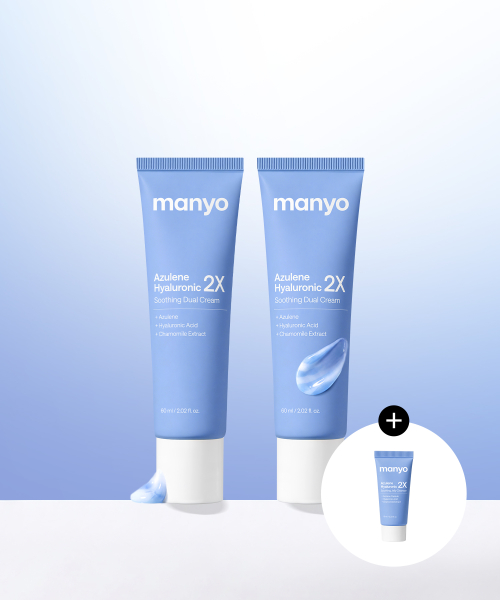
How to Use Manyo Dual Cream|Toner and Serum Order
Use Manyo Dual Cream after toner and serum. In the morning, follow the cream with sunscreen before applying makeup. This guide explains the role and order of five items, from cleansers to sun serum.
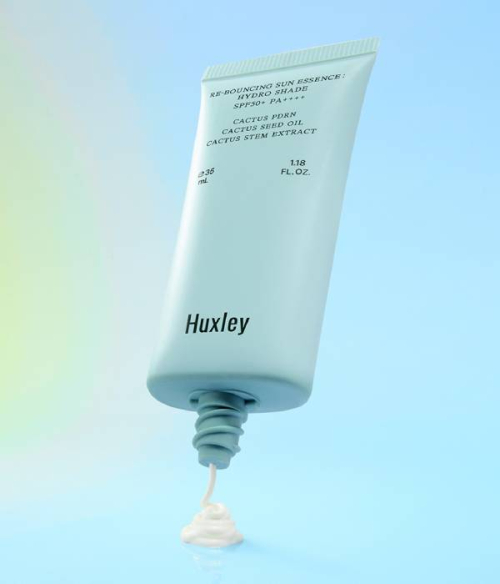
Korean Skincare Order | Where Sunscreen and Sheet Masks Fit in the Morning and Evening
The basic skincare order is to layer lighter, more fluid products first and richer, oilier products afterward. Use toner, serum, lotion, and cream in that order, and follow the product directions if an order is specified. In the morning, apply sunscreen after cream and before makeup; use a sheet mask after toner and before serum or cream.

Differences Between Toner, Essence, Ampoule, and Serum | How to Choose and Layer Them
Toner corresponds to Japanese lotion, while essence, serum, and ampoule correspond to essence products. These names have no legally defined meanings, so the ingredients or concentration cannot be determined from the name alone. Check the directions first; if no order is shown, layer products from the lightest texture.
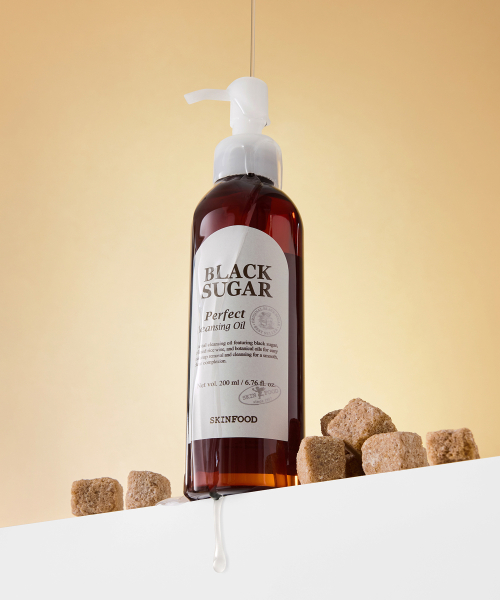
How to Choose a Cleanser | Differences Between Oil, Balm, Milk, and Water
When choosing a cleanser, it is practical to first match it to the makeup or sunscreen you want to remove, rather than choosing based on types such as oil, balm, or milk. If the makeup or sunscreen specifies how it should be removed, check those directions first. Also check the product directions to see whether a second cleanse is needed.
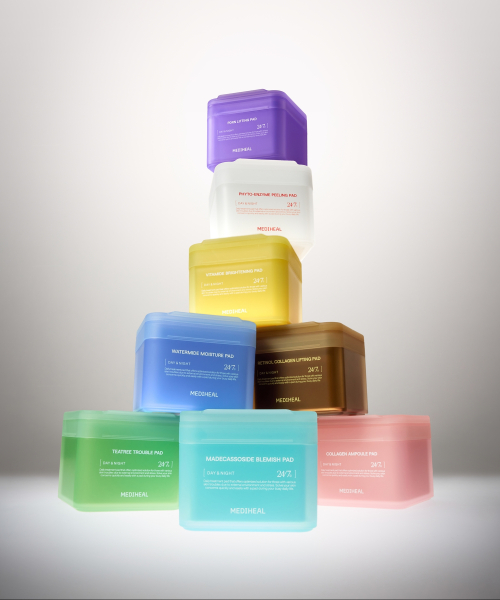
How to Use Toner Pads | Order, Frequency, and the Difference Between Wipe-Off and Leave-On Types
Toner pads are used after cleansing and before serum or cream, in the same step as lotion or toner. There are wipe-off and leave-on types, and the directions and frequency of use should be checked on each product’s packaging. When using one before morning makeup, move on to the next skincare step after the moisture from the pad has absorbed into the skin.
How to Identify Counterfeit Korean Cosmetics | Steps for Checking the Outer Box, Batch Number, and Seller
For Korean cosmetics on hand, check the outer-box printing, the batch number and expiration-date labeling, and the seller information. Compare the box with images on the brand’s official website, and check whether the batch numbers on the box and container match.
Are Korean Cosmetics Sold Online Authentic? | How to Check Marketplaces
Marketplaces such as Qoo10 host many shops, and each shop may source its products through a different route. Check authenticity at the level of the shop selling the product, rather than judging the entire site. Confirm who operates the shop and compare it with the information on the brand’s official site.
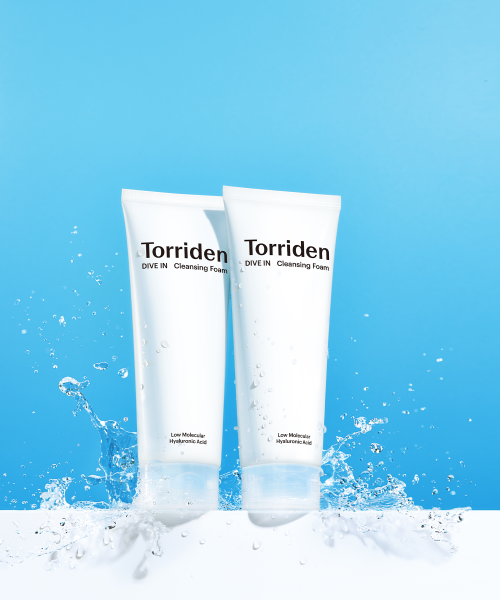
Buying Korean Cosmetics: Quantity Checks and Points to Note
For deliveries within Korea, no cross-border import process applies. Any shipping fees or additional charges can be checked on the payment screen.
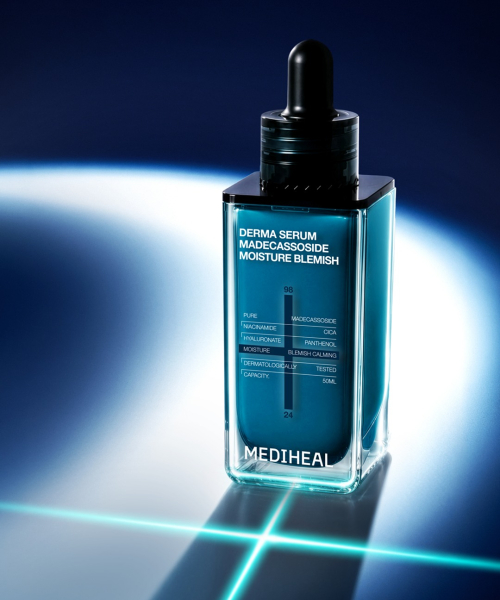
How to Read Ingredient Labels on Korean Cosmetics | Ingredient Order and Differences in Korean Names
Cosmetic ingredients are generally listed in descending order of concentration, but ingredients used at 1% or less may be listed in any order. Therefore, the exact amount cannot be determined from the order alone. The same ingredient may also be written differently in Korean, Japanese cosmetic labeling names, and INCI.
How to Buy Korean Cosmetics at a Lower Cost | How to Compare the Total Price
Compare Korean cosmetics based on the total amount paid for the same product and quantity through delivery to your home. The total includes the product price, shipping fees, and service fees, while prices shown in foreign currencies should be compared using the exchange rate at checkout.
How to Buy Korean Cosmetics Not Available in Your Market | Ways to Order and What to Check Before Ordering
Korean cosmetics that are not available in your market can be found through marketplaces, ordered through a purchasing service, or bought locally. Korea-only sizes, shades, and sets may not be included in a market’s official lineup. Before ordering, check the ingredient information and estimated delivery time.
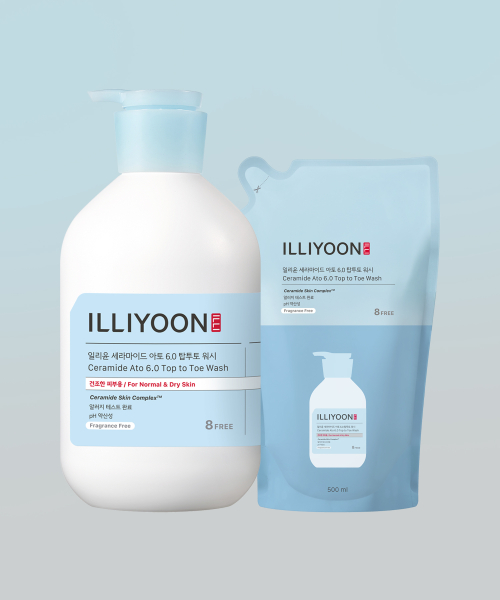
How to Choose a Korean Cosmetics Shopping Agent | Fees, Support, and Returns
Choose a Korean cosmetics shopping agent by checking its support options, clear fee structure, and return and exchange rules. Because service fees or international shipping charges may be added to the product price, check whether you can see the total amount before placing an order. Also confirm the return conditions after local purchase and the estimated delivery period in advance.
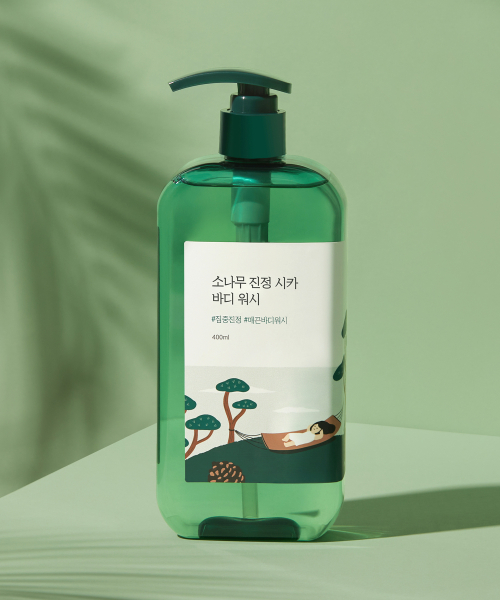
Troubleshooting Korean Beauty Shopping Online: How to Identify a Trustworthy Shopping Site
When choosing an online Korean beauty shop, first check whether the operator’s address, phone number, and responsible person’s name are listed. Problems that can occur with international online purchases include orders not arriving, receiving an item that differs from the photos, and being unable to return an item. This article also explains what to check when buying directly versus using a purchasing agent.
How Orders Are Processed and How to Check Delivery Status
Orders proceed through four stages: payment, purchasing and inspection in Korea, international shipping, and delivery. Delivery takes an average of 2–4 weeks, though the timing may vary due to local holidays, weather, and other factors. A tracking number is provided after shipment. If an item is sold out in Korea and cannot be purchased, the full payment amount will be refunded without deducting a fee.
How to Buy Authentic Products from Korean Online Stores | What to Check About Buying Agents and Sellers
To buy authentic products from an overseas online store, check the seller’s information and where the products are sourced. Before purchasing, verify listings that are far below the usual market price, do not identify the seller or contact details, or include model numbers or colors not shown through official channels.

How Much Do You Pay When Buying Korean Cosmetics? Check the Payment Screen for Additional Charges
For deliveries within South Korea, no import procedures arise. Any shipping fees or additional charges can be checked on the payment screen.
What Is Korean Shopping Proxy Service? An Easy Guide to How It Works, Benefits, and Points to Note
A Korean shopping proxy service lets a business handle everything from purchasing products at Korean retailers to shipping them to you. This article explains how it differs from buying directly, the delivery process, and what to check in the terms before ordering.